A cow can look perfectly healthy and still be costing you money.
Long before an animal shows obvious signs of illness, parasites, tick-borne diseases or the early stages of mastitis can affect milk production, feed utilisation and body condition. These losses are often difficult to notice until milk yields start falling and a farmer begins asking why the numbers are down.
Healthy livestock is about more than the absence of visible disease. It is about maintaining a herd that is healthy, productive and able to reach its full potential.
Why “Looks Fine” Isn’t the Same as “Is Fine”
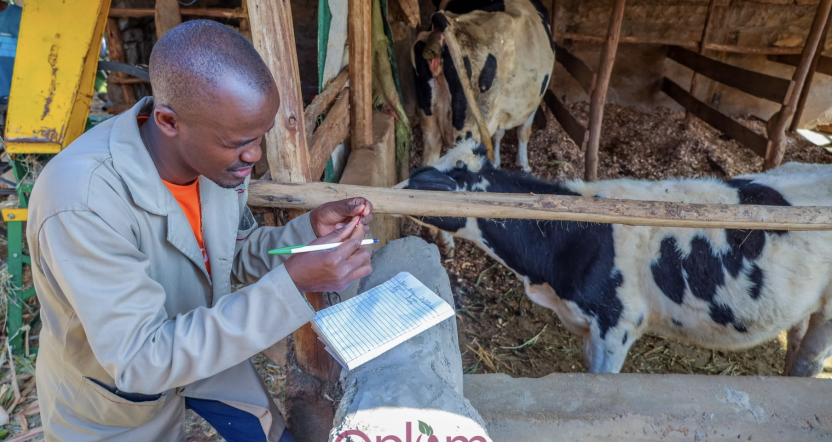
Routine veterinary check-ups are important because some livestock health problems can develop before obvious symptoms appear.
Early detection lets farmers address health issues before they become more serious and potentially more expensive to manage.
Regular consultations also allow farmers to review their herd health programme and get professional advice on disease prevention, treatment and general animal management.
Making veterinary check-ups part of your routine farm management, rather than waiting until an animal is visibly sick, can help support a healthier and more productive herd.
Deworming and Vaccination: Protecting Against What You Can’t See
Internal parasites can affect livestock productivity even when animals do not appear visibly ill. Parasite control should therefore be part of a broader herd health programme.
For dairy farmers in Kenya, tick-borne diseases such as East Coast fever are also an important livestock health concern. Appropriate tick control, vaccination where recommended, regular monitoring and prompt veterinary intervention can help reduce disease risks.
A deworming and vaccination programme should be based on the needs of your herd, local disease risks and professional veterinary advice, not simply on whether an animal currently appears sick.
Mastitis Management: The Cost Most Farmers Underestimate
Mastitis is one of the key health challenges in dairy farming and can have a direct impact on milk production and farm profitability.
The costs can include reduced milk yield, milk discarded during treatment and increased veterinary expenses. Chronic or recurring cases can also affect the long-term productivity of an animal.
Good milking hygiene, proper udder care and regular observation can help farmers identify changes early. Where mastitis is suspected, prompt veterinary assessment and appropriate treatment are important.
Nutrition: The Part No Vaccine Can Replace
Good animal health must go hand in hand with good nutrition.
Even a healthy and well-managed cow may fail to achieve her production potential if her diet does not provide adequate energy, protein, minerals and other essential nutrients. This is particularly important during periods of high nutritional demand, such as early lactation.
Feed supplements and appropriate nutritional management can help address identified nutritional gaps and support milk production, body condition and overall herd performance.
Veterinary Support for a Healthier, More Productive Herd
At Plum Agrovet, our Veterinary Department provides veterinary medicines, animal health products and professional support to help farmers manage the health and productivity of their livestock.
Our veterinary team can support farmers with:
- Routine Health Check-ups and Consultations
- Deworming and Vaccination Schedules
- Mastitis Management and Udder Care
- Nutritional Guidance and Feed Supplements
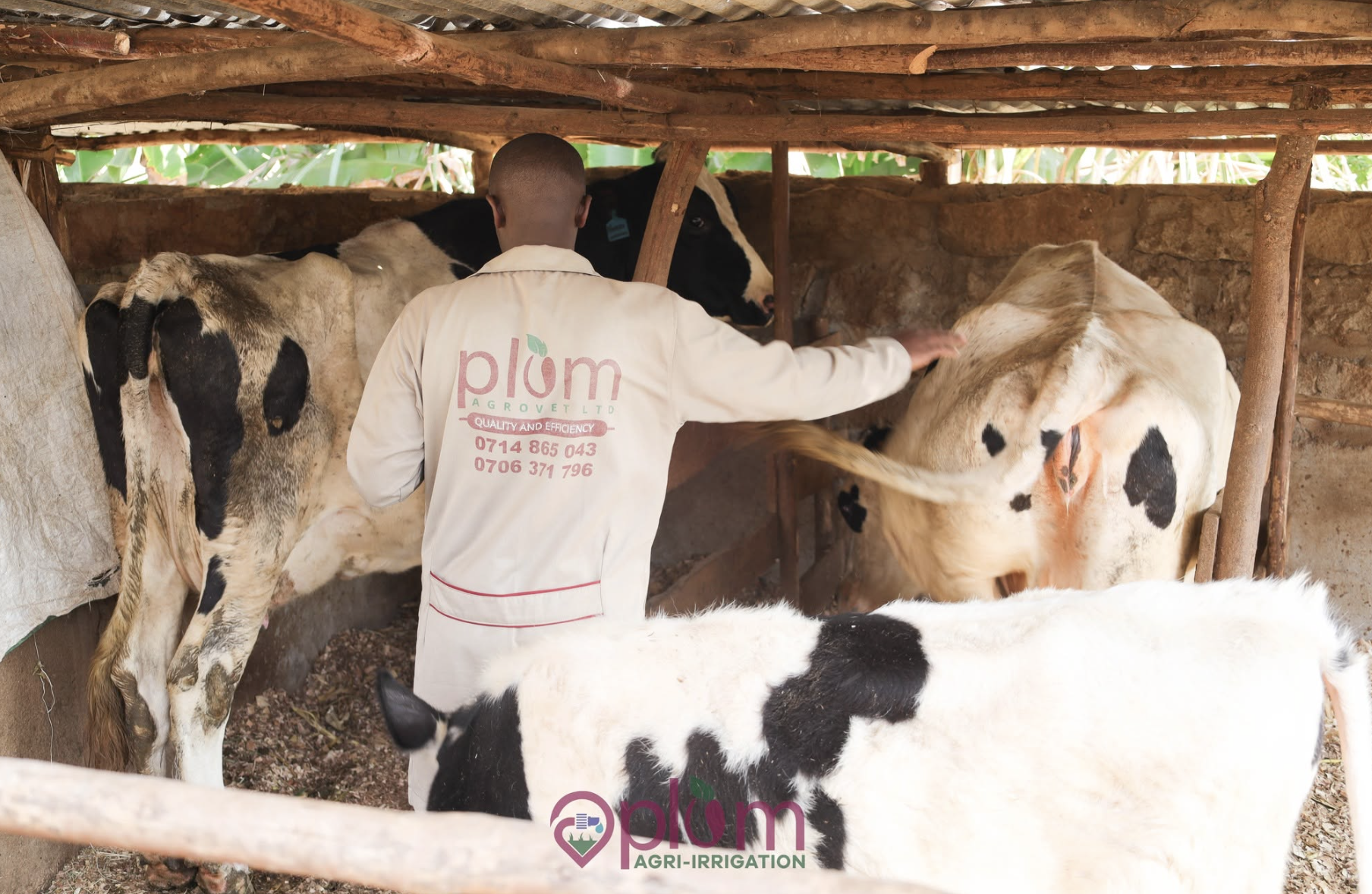
Veterinary Medicines and Livestock Health: Keeping Your Dairy Herd Healthy and Productive
Give your cows the care they deserve this week. Talk to the Plum Agrovet veterinary team about developing an appropriate health and productivity plan for your herd.
Every drop counts. Every farm thrives.