As climate variability continues to affect rainfall patterns across Kenya, irrigation systems have become essential infrastructure for serious farmers.
Reliable water management protects crops from drought, stabilizes yields, and strengthens food security.
Plum Agri Irrigation recently shared expert insights on best practices for irrigation design and installation.
Therefore, highlighting common mistakes farmers should avoid and the key factors that determine long-term system performance.
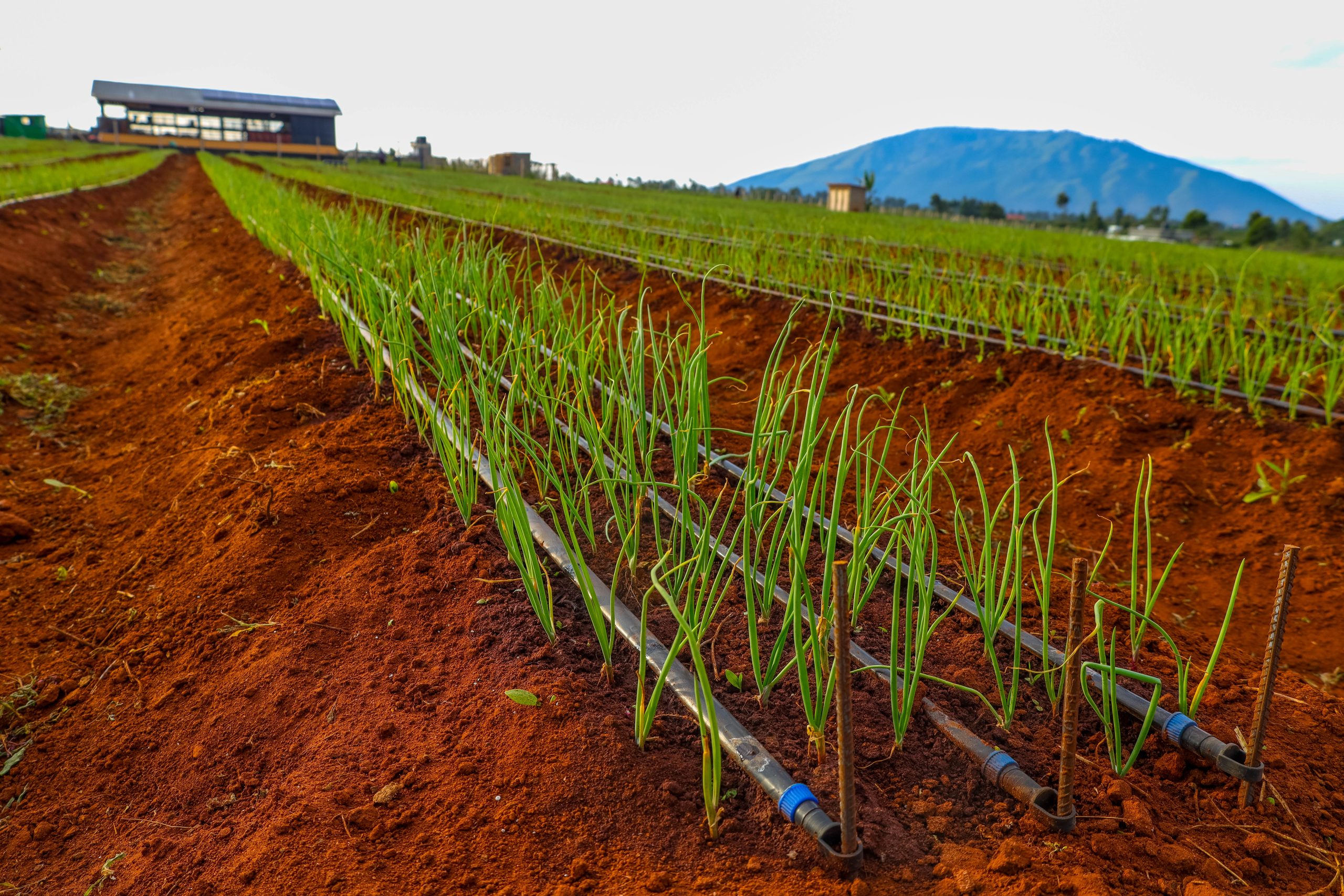
Learn the dos and don’ts of irrigation systems in Kenya and how professional design improves yields. Read more insights from Plum Agri Irrigation.
Why Proper Irrigation Design Matters
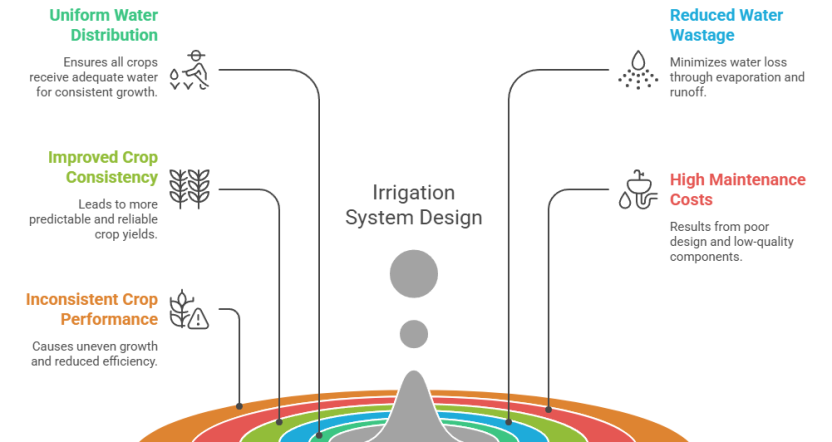
Well-designed irrigation systems in Kenya ensure uniform water distribution, minimize wastage, and improve crop consistency.
Technologies such as drip irrigation and sprinkler systems allow farmers to maintain production even during dry spells.
However, successful irrigation depends on more than installing pipes.
Factors such as soil type, topography, crop selection, water source reliability, and water quality must all be assessed before system installation.
Without proper planning, farmers risk uneven crop growth, high maintenance costs, and reduced efficiency.
Key Dos for Farmers
Farmers are encouraged to begin with a professional site assessment to determine the most suitable irrigation system.
Drip irrigation is particularly effective for smallholder and horticulture farms because it delivers water directly to the root zone, reducing evaporation and runoff.
Investing in high-quality components is equally important. Durable drip lines and reliable fittings ensure long-term performance, especially under Kenya’s varying climatic conditions.
Regular system inspection and maintenance further protect the investment and prevent operational failures.
Common Don’ts to Avoid
Farmers should avoid installing irrigation systems without technical design support.
Purchasing materials without a structured layout often leads to pressure imbalance and inconsistent crop performance.
It is also critical not to base irrigation decisions solely on price.
Low-cost systems frequently result in higher long-term expenses due to repairs, inefficiency and crop loss.
Supporting Climate-Smart Agriculture
Modern irrigation plays a central role in climate-smart farming.
By improving water efficiency and enabling year-round production, irrigation systems contribute to increased farm resilience, better income stability and enhanced food security.
Across Kenya, professionally designed irrigation systems continue to transform agricultural productivity when implemented correctly.
For more information on the dos and don’ts of irrigation systems, including expert commentary from Plum Agri Irrigation, read the full article published by Daily Nation:
👉 Dos and don’ts of irrigation systems
https://nation.africa/kenya/business/seeds-of-gold/dos-and-don-ts-of-irrigation-systems-5359478